Know it, don’t memorise it
A new colleague once said to me that they’ve never met a non-binary person before and asked me what they should say/do. It’s funny, after years of facilitating workshops and reeling off scripts about inclusive language and staying informed, I turned to them and said ‘get to know me, and then the pronouns and language will follow’.
I feel a lot of the time, people, though well intentioned, tend to try and wire their brain to memorise names and pronouns. Their process then becomes: see the person, in their mind say the deadname and old pronouns, then pivot to using the right name and pronouns. The flaw in this process is you’re adding an unnecessary mental step—if you simply see the person as they are, and as they see themselves, the language will follow. And look, perhaps I’m over-simplifying it, but for me the knowing matters more than the memorising.*
If people know me, like really get me and see me for me, language matters very little to me. Affirmation comes from ‘getting it’ and if that includes fumbling through language then so be it.
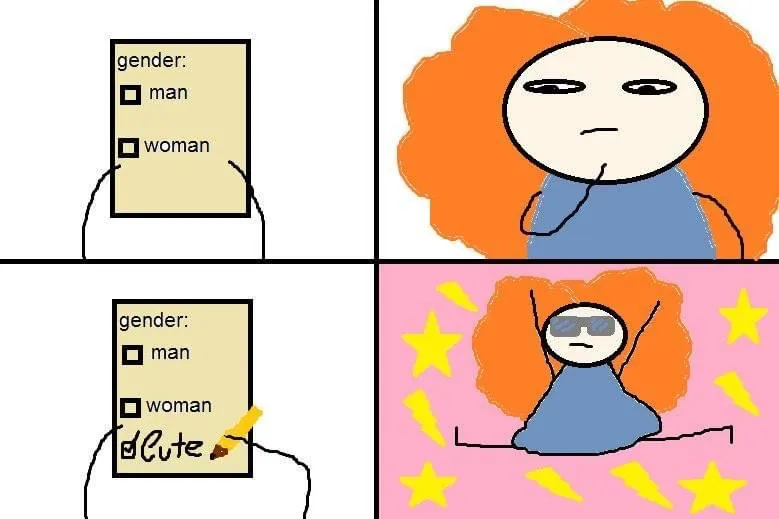
And what is ‘getting it’? It’s knowing the box that you likely sit comfortably in doesn’t fit me and that my experience of gender is expansive, confusing, and ridiculous (among a thousand other things). It’s not grouping me with ‘ladies’, or assuming that I’ll be aunty or mum, and it’s also not being surprised if I get a manicure or enjoy a beautifully scented candle (how good are candles?). There’s a lot of gendering in life and in language, so it’s about switching that off and realising the rules and expectations aren’t there for me. They don’t have to be there for you either! But that’s your call.
*I should mention, this is speaking very specifically to my experience. Language can be very important to some trans people, and it can be very damagingI to them if you mixup their name or pronouns, even if by accident. I hope my advice about seeing them first, labelling them second can help you in getting in right for them.